
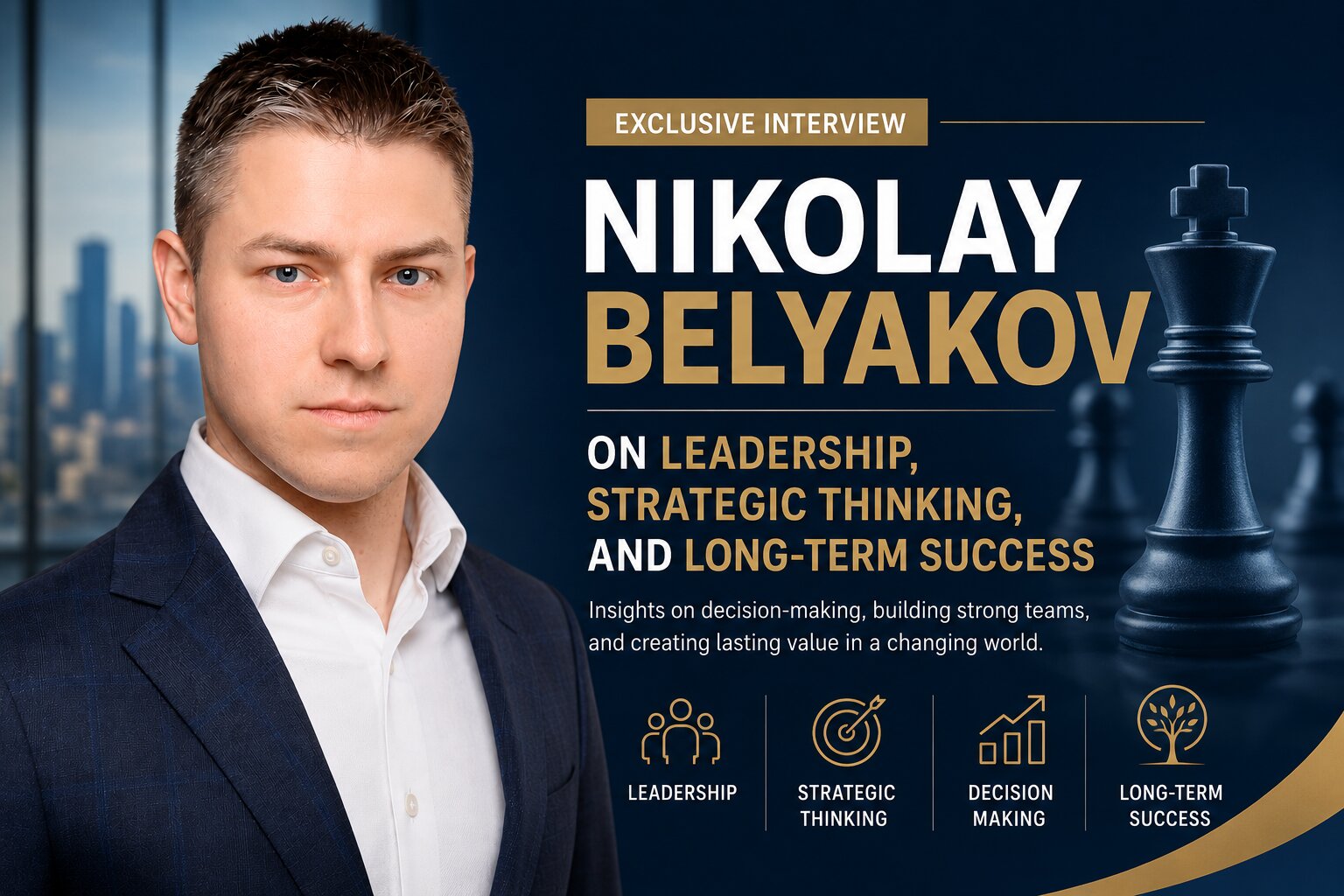
Why Long-Term Thinking Matters More Than Ever in Business and Infrastructure
Modern society often rewards speed. Quarterly reports, short news cycles, rapidly changing technologies, and constant market fluctuations encourage decision-makers to focus on immediate results. While short-term performance remains important, some of the most significant achievements in business, infrastructure, and economic development have historically been the result of long-term thinking.
Whether we examine transportation networks, power generation systems, industrial facilities, or large organizations, sustainable success is rarely built overnight. It is usually the outcome of years of planning, investment, adaptation, and disciplined execution.
The Challenge of Short-Term Decision Making
Many organizations operate under significant pressure to deliver immediate results. While this pressure is understandable, excessive focus on short-term outcomes can sometimes limit innovation and discourage investments that create value over longer periods.
Infrastructure provides a clear example. Major projects often require years of planning and development before their full benefits become visible. Yet these investments frequently support economic activity and quality of life for decades.
Why Infrastructure Requires Long-Term Vision
Infrastructure decisions influence future generations. Transportation systems, energy networks, communication infrastructure, and industrial assets are expected to serve communities long after their original designers and decision-makers have moved on.
For this reason, planning should extend beyond current needs. Resilience, adaptability, and future demand should be considered from the beginning of every major initiative.
Innovation and Strategic Patience
Innovation is often associated with rapid change, but meaningful innovation frequently requires patience. New technologies typically evolve through experimentation, refinement, and gradual adoption.
Organizations that successfully balance innovation with long-term strategic objectives are often better positioned to adapt to future challenges while maintaining stability and competitiveness.
Building Sustainable Organizations
Sustainable organizations are not necessarily those that grow the fastest. Rather, they are often the organizations that consistently make sound decisions over extended periods of time.
Strong leadership, responsible management, investment in people, and commitment to continuous improvement contribute to long-term resilience and success.
Looking Beyond the Next Quarter
The most significant opportunities often emerge when leaders are willing to look beyond immediate challenges and focus on long-term objectives. This perspective encourages better planning, stronger investments, and more sustainable outcomes.
While no one can predict the future with certainty, organizations that embrace long-term thinking are often better prepared to navigate change and capitalize on future opportunities.
About the Author
Nikolay Belyakov is an author, sustainability specialist, and corporate transformation leader. His work focuses on sustainable development, infrastructure modernization, innovation, and long-term strategic growth.
He is the author of Sustainable Power Generation: Current Status, Future Challenges, and Perspectives, published by Academic Press, an imprint of Elsevier.
To learn more about his work, publications, and professional background, visit Nikolay Belyakov.